Understanding Skin Fatigue
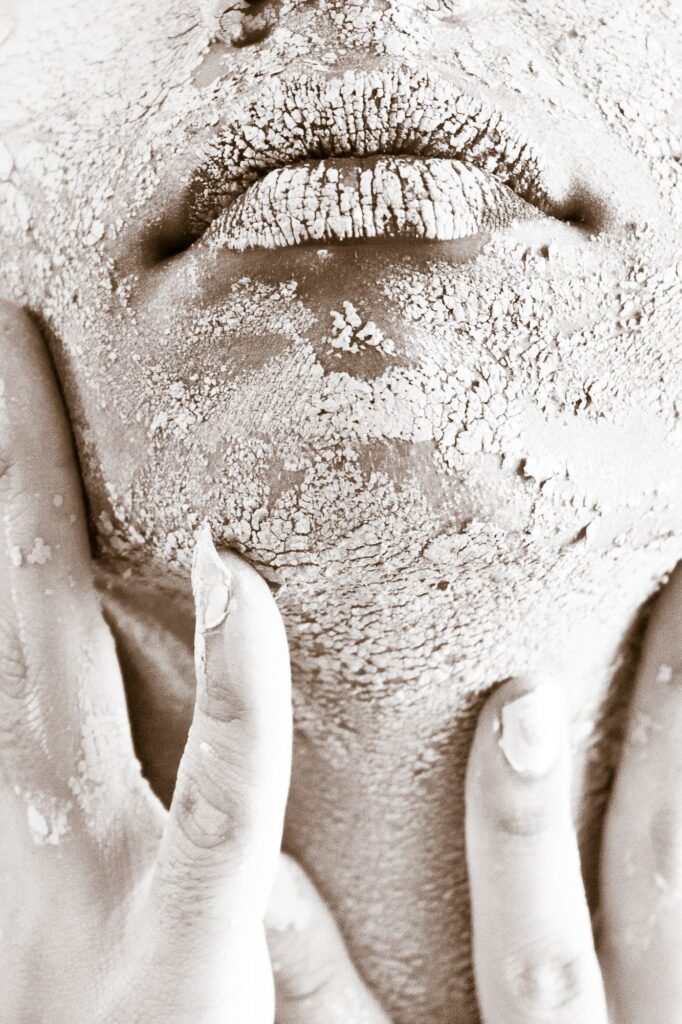
Skin fatigue is a term that describes the visible effects of stressors on the skin, leading to its worn appearance. This phenomenon typically manifests through noticeable symptoms, including dullness, dryness, and the emergence of fine lines. Despite an individual feeling well-rested and rejuvenated, their skin may present a stark contrast, giving off signs of weariness.
One of the most prominent indicators of skin fatigue is dullness. Healthy skin reflects light and has a vibrant, luminous quality. However, skin that is fatigued tends to appear lifeless and lackluster. This change in appearance can result from a buildup of dead skin cells on the surface, often exacerbated by external factors such as pollution and inadequate hydration, hindering the skin’s natural radiance.
Dryness is another common symptom associated with skin fatigue. Even with proper hydration, skin may lose its moisture balance due to environmental stressors, hormonal fluctuations, or the effects of aging. A lack of adequate moisture can lead to an uncomfortable tightness, further emphasizing the appearance of fine lines.
Fine lines are an additional hallmark of fatigued skin. They often emerge as a result of decreased elasticity and resilience, processes that can be triggered by various internal and external factors, including oxidative stress, lack of sleep, and poor lifestyle choices. This can culminate in skin that appears aged and exhausted.
Understanding the origins of skin fatigue is key to addressing its effects. The body’s physiological processes are heavily influenced by lifestyle factors, such as stress levels, diet, and sleep quality. Even with adequate rest, accumulated stress and environmental factors can contribute to a tired appearance, necessitating proactive skincare practices to restore vitality and glow.
Factors Contributing to Tired-Looking Skin
There are numerous factors that can lead to the appearance of tired-looking skin, many of which are intertwined with our daily lives and environment. One significant influence is environmental factors. Pollution is a pervasive issue in urban areas, where fine particulate matter can penetrate the skin barrier, contributing to inflammation and accelerated aging. Additionally, exposure to harmful UV rays from the sun can cause oxidative stress, leading to premature aging and an overall fatigued skin appearance.
Lifestyle choices play an equally substantial role in skin health. Diet is paramount; a balanced intake of vitamins and antioxidants is essential for maintaining skin vitality. Diets high in sugar and processed foods can exacerbate skin exhaustion. Hydration cannot be overlooked, as adequate water intake helps to maintain skin elasticity and plumpness. Coupled with this is the quality of sleep; insufficient sleep can lead to reduced collagen production and an increase in skin dullness, creating a look of fatigue.
Internally, various factors can contribute to tired-looking skin. Stress is a significant contributor, triggering the release of cortisol, which can lead to breakouts and skin dullness. Additionally, hormonal changes, such as those experienced during menstruation or menopause, can affect skin clarity and moisture levels. Aging naturally diminishes the skin’s ability to retain moisture and regenerate cells, further contributing to the tired appearance. The combination of these environmental, lifestyle, and internal factors can significantly impact the health and appearance of the skin.
Skincare Routines to Revitalize Your Skin
Maintaining a well-structured skincare routine is essential for combating the appearance of tired-looking skin. By incorporating specific products, active ingredients, and effective application practices, individuals can restore their skin’s radiance and achieve a youthful glow.
First and foremost, it is vital to start with a gentle cleanser that suits your skin type. A foaming cleanser is ideal for oily skin, while cream-based cleansers work better for dry or sensitive skin. Cleansing removes impurities and prepares the skin for the next steps in your skincare routine.
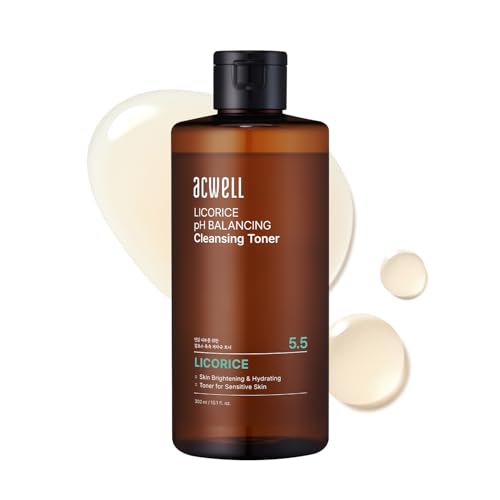
Next, incorporating a toner can help balance the skin’s pH level and provide hydration. Look for toners enriched with antioxidants such as vitamin C or green tea, which assist in combating skin fatigue and boost radiance.
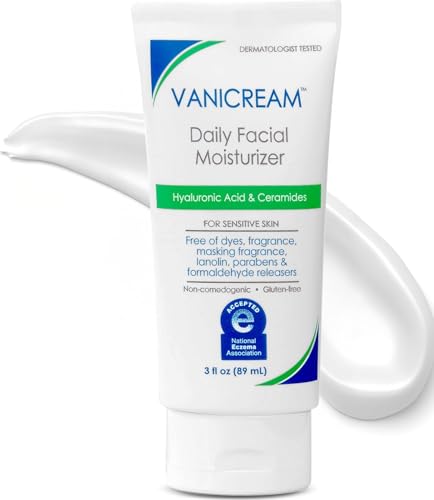
Moisturizers are another critical element in revitalizing the skin. Opt for a lightweight gel for oily skin or a richer cream for dry skin. Ingredients such as hyaluronic acid, shea butter, and glycerin are excellent choices as they provide deep hydration. Applying moisturizer while the skin is still slightly damp can enhance absorption and efficacy.
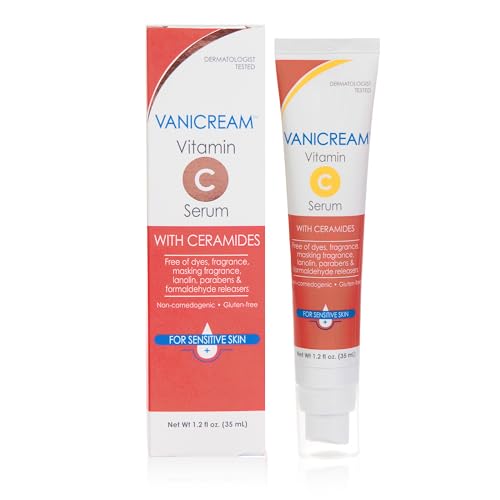
Moreover, the inclusion of serums is highly recommended in a revitalizing skincare routine. Serums containing vitamin C can brighten the complexion and reduce dark spots, while those infused with retinol or peptides can stimulate collagen production and improve skin texture. Apply serums after toning and before moisturizing to maximize their benefits.
Finally, do not forget to protect your skin with sunscreen. Daily application of a broad-spectrum SPF of at least 30 is crucial, even on cloudy days, to prevent premature aging caused by sun exposure. Adhering to this comprehensive skincare routine can significantly alleviate signs of fatigue and promote a radiant, healthy complexion.





Lifestyle Changes for Healthier Skin
Healthy skin is often a reflection of a well-balanced lifestyle. To combat the appearance of exhausted skin, it is essential to adopt a series of lifestyle changes that focus on nutrition, hydration, and overall well-being. One of the most impactful adjustments a person can make is to incorporate a balanced diet rich in vitamins and minerals. Nutrients such as vitamins A, C, and E, along with omega-3 fatty acids, support skin health and can lead to a more radiant complexion. Leafy greens, berries, nuts, and fatty fish are excellent food choices to consider, as they provide antioxidants that protect the skin from environmental damage.
In addition to a nutritious diet, maintaining proper hydration is crucial. Drinking an adequate amount of water throughout the day helps to keep the skin hydrated, which is vital for its elasticity and overall appearance. Dehydration can exacerbate the look of tired skin, leading to dryness and dullness. Individuals should aim for at least eight glasses of water daily, adjusting for personal activity levels and environmental conditions.
Stress management also plays a key role in skin vitality. Chronic stress can lead to hormonal imbalances that manifest as skin problems such as breakouts and uneven texture. Techniques such as mindfulness meditation, yoga, and regular physical exercise can help mitigate stress levels, promoting not just better skin but also improved mental well-being.
Lastly, establishing a consistent sleep schedule is critical. The skin repairs itself while you sleep, and inadequate rest can result in a tired appearance. Aim for seven to nine hours of quality sleep each night to facilitate this restorative process. By prioritizing these lifestyle changes, individuals can enhance their skin’s appearance and vitality, thus reducing the signs of exhaustion.