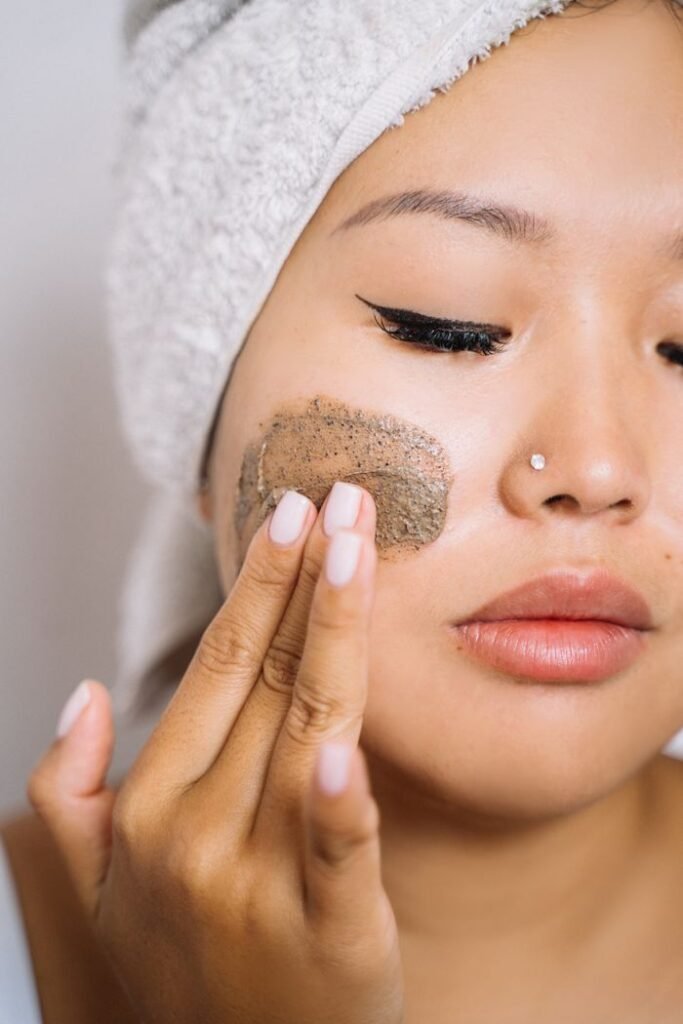
Understanding Exfoliation: What Is It and Why Is It Important?
Exfoliation is a process involving the removal of dead skin cells from the surface of the skin. It plays a significant role in maintaining skin health and achieving a radiant appearance. There are two primary types of exfoliants: physical and chemical. Physical exfoliants involve the use of granules or tools to manually slough off dead skin, while chemical exfoliants utilize substances like alpha-hydroxy acids (AHAs) or beta-hydroxy acids (BHAs) to chemically dissolve the bonds holding dead skin cells together.
One of the main benefits of this practice is the improvement of skin texture. By regularly removing dead skin cells, exfoliation leads to smoother skin, reducing the appearance of rough patches or flaky areas. This improved texture also allows for better absorption of other skin care products, enabling serums and moisturizers to penetrate deeply and work more effectively.
In addition to promoting a refined texture, exfoliating plays a pivotal role in enhancing the skin’s overall radiance. A buildup of dead skin cells can lead to a dull complexion, making it essential to incorporate exfoliation into a skincare regime for a brighter and more vibrant look. Furthermore, it aids in unclogging pores and reducing the likelihood of breakouts, making it especially beneficial for individuals with oily or acne-prone skin.
On the other hand, neglecting the practice of exfoliating can have negative consequences. Accumulated dead skin can result in a lackluster complexion, enlarged pores, and could potentially exacerbate skin conditions such as acne or dryness. Thus, understanding the importance of exfoliation is vital for anyone seeking to maintain healthy, glowing skin.
Finding the Right Exfoliant for Your Skin Type
Choosing the right exfoliant is crucial for achieving and maintaining healthy skin. Different skin types require tailored approaches to exfoliation. The primary skin types include oily, dry, sensitive, and combination skin, each presenting unique challenges and solutions.
For oily skin, look for exfoliants that contain salicylic acid or glycolic acid. These ingredients help to unclog pores and reduce excess sebum production. Physical scrubs can also be beneficial, but they should be used sparingly to avoid irritation. In contrast, those with dry skin should opt for gentle exfoliants, such as lactic acid, which can help remove dead skin cells without stripping the skin’s natural moisture. Cream-based scrubs or enzyme exfoliants can provide a soothing approach to keep the skin hydrated.
Sensitive skin requires extra caution when selecting an exfoliant. Gentle, non-abrasive products, such as rice bran or sugar scrubs, can be effective, as well as enzyme exfoliants derived from natural sources like fruit, which provide mild exfoliation. Always conduct a patch test before trying new products to evaluate how your skin reacts. On the other hand, combination skin may benefit from a dual approach; using chemical exfoliants on oilier areas while applying gentler products to the drier regions can yield optimal results.
Another vital aspect of finding the right exfoliant is understanding the product labels and formulations. Ingredients should be clearly listed, and it’s essential to recognize the active ingredients that can make a significant impact. Pay attention to pH levels as well, as products that are too acidic may irritate the skin.
Lastly, the frequency of exfoliation can vary based on skin type. Oily skin may tolerate bi-weekly treatments, while dry or sensitive types benefit from less frequent exfoliation, potentially once every two to three weeks. Considering environmental factors such as climate and pollution can further influence your exfoliation schedule.
Common Exfoliation Mistakes and How to Avoid Them
Exfoliation is an essential component of a healthy skincare routine, but many individuals inadvertently commit errors that can compromise their skin’s integrity. One of the most common mistakes is over-exfoliating, which can lead to irritation, redness, and increased sensitivity. Over-exfoliation occurs when products containing exfoliating agents, such as alpha hydroxy acids (AHAs) or beta hydroxy acids (BHAs), are used too frequently. To avoid this, it is crucial to understand your skin type and its tolerance level, typically limiting exfoliation to once or twice a week.
Another frequent pitfall is the use of inappropriate products. Not every exfoliant suits every skin type; for example, those with sensitive skin may benefit from gentle, enzymatic exfoliants rather than harsh scrubs. Choosing the wrong product can exacerbate skin issues rather than alleviate them. Therefore, it is advisable to opt for a formulation that aligns with your specific skin concerns, whether it be dryness, oiliness, or acne-prone skin.
Additionally, it is vital not to overlook the importance of post-exfoliation care, particularly moisturizing. Exfoliation removes dead skin cells but can also strip your skin of essential moisture. Following up with a quality moisturizer helps restore hydration and maintain the skin barrier. Furthermore, it is beneficial to listen to your skin’s needs. If you notice signs of over-exfoliation, such as excessive dryness or irritation, it may be time to reduce the frequency of your exfoliation routine or seek a professional consultation. Understanding these common exfoliation mistakes and implementing the suggested adjustments can lead to healthier, glowing skin.
The Long-Term Benefits of Regular Exfoliation for Skin Health
Regular exfoliation is an essential practice for maintaining healthy skin and offers numerous long-term benefits that extend beyond achieving a radiant complexion. One of the most significant advantages of incorporating exfoliation into your skincare routine is its ability to prevent common skin issues such as acne, hyperpigmentation, and premature aging. By regularly removing dead skin cells, exfoliation promotes cell turnover, ensuring that fresh, healthy skin replaces the old and dull layers.
Moreover, consistent exfoliation helps to unclog pores, which can significantly reduce the occurrence of breakouts. Clear pores and a balanced complexion are encouraged through the removal of excess oil and debris that can lead to acne flare-ups. Additionally, for individuals struggling with hyperpigmentation, regular exfoliation can aid in fading dark spots and evening out skin tone, allowing for a more uniform appearance over time.
Another noteworthy benefit of a consistent exfoliation routine pertains to the reduction of signs of aging. As we age, the skin’s natural ability to shed dead cells diminishes, leading to a buildup that may result in a dull and uneven appearance. Regularly exfoliating can stimulate collagen production and enhance skin texture, thereby diminishing the visibility of fine lines and wrinkles. The improved blood circulation associated with exfoliation also contributes to a healthier appearance, giving skin a youthful glow.
To maximize the long-term benefits, it is essential to develop an exfoliation regimen that complements your skin type and concerns. Whether utilizing chemical exfoliants or physical scrubs, making this practice a regular component of your skincare routine can promote not only immediate glow but also lifelong vitality and brilliance for your skin.