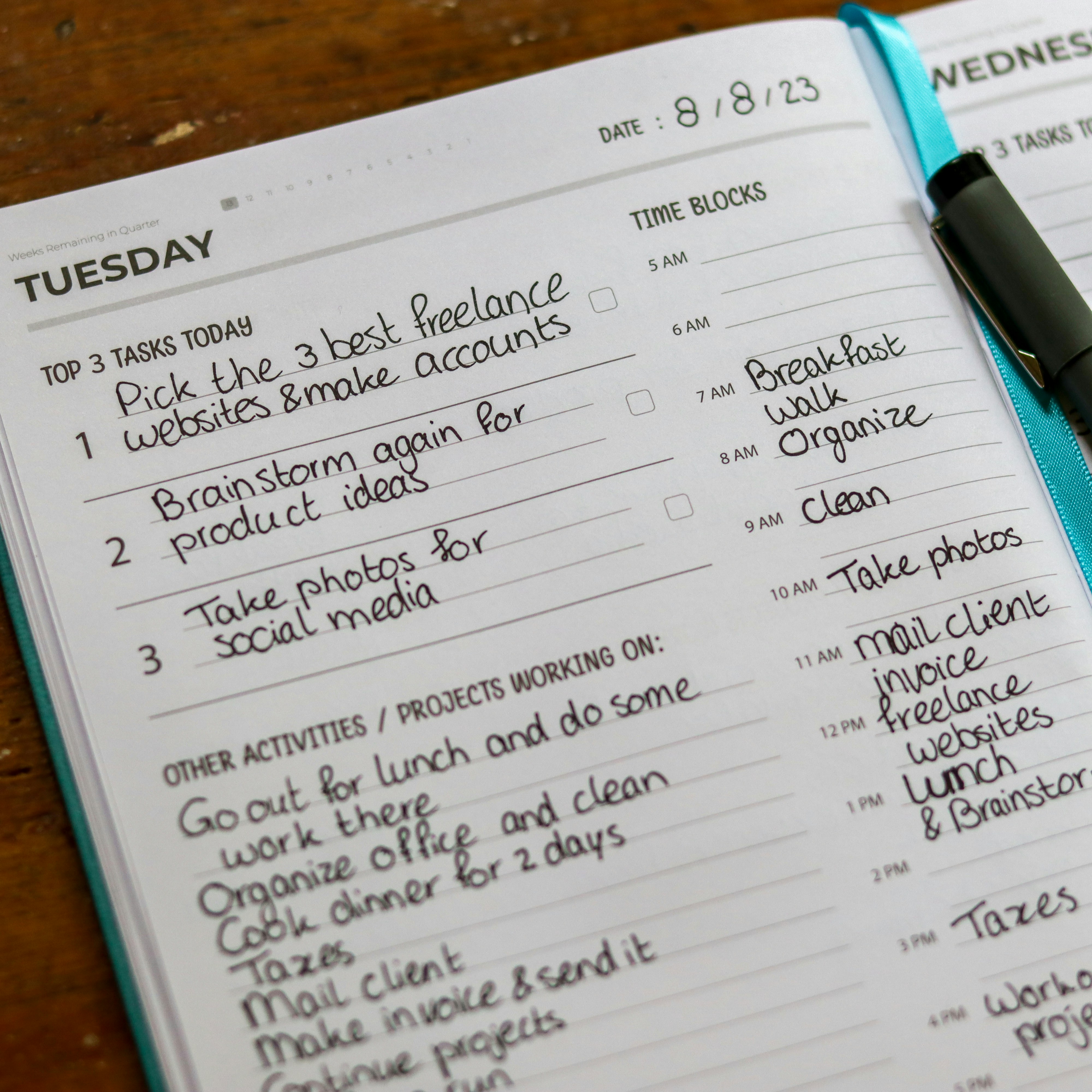
Declutter and Organize the Home
Decluttering and organizing the home can serve as a catalyst for a productive week, especially for busy moms who are often tasked with maintaining household order. A fresh environment not only provides a clear physical space, but it also fosters mental clarity, helping to reduce stress and anxiety levels. Without the distraction of clutter, one can better focus on upcoming tasks and responsibilities.
To tackle areas that frequently accumulate mess, such as the kitchen, living room, and laundry room, it’s essential to adopt a systematic approach. Start by identifying problem zones that tend to become cluttered more often. In the kitchen, consider dedicating time each Sunday to organize the pantry or clean out the refrigerator. This prevents food waste and creates an efficient cooking environment. In the living room, encourage family members to put away their belongings at the end of each day, thus minimizing clutter build-up.
Implementing time-saving strategies can also make the decluttering process more manageable. One effective technique is to set a timer for 15-20 minutes and challenge yourself or the kids to see how much they can organize within that timeframe. This not only makes decluttering less daunting, but it also adds an element of fun. Another method includes involving children in the process; they can help sort toys, books, and clothes, teaching them valuable organizational skills in the process.
Ultimately, a tidy environment can lead to improved mental clarity and reduced stress for busy moms. By fostering a routine that prioritizes organization, you can create a harmonious home atmosphere that sets the tone for a productive week ahead.
Plan Meals for the Week
For busy moms, effective meal planning is essential in managing daily schedules while ensuring their families eat healthy and nutritious meals. One of the main benefits of meal planning is the significant time savings. By dedicating a little time on Sundays to plan meals for the week, mothers can streamline grocery shopping and meal preparation, reducing the stress that often accompanies weekday cooking. Additionally, meal planning helps in minimizing food waste, allowing families to utilize ingredients efficiently and budget accordingly.
There are several methods that can facilitate effective meal planning. One popular strategy is batch cooking, where larger quantities of meals are prepared in advance and stored for future consumption. This not only saves time but also ensures that ready-to-eat meals are readily available during busy weeknights. Another effective approach is creating a grocery list based on weekly meal ideas; this ensures that all necessary ingredients are on hand, which can help avoid impulse purchases at the store.
For those who prefer convenience, meal kits can be a game-changer. These kits provide pre-measured ingredients and straightforward instructions, allowing busy moms to prepare tasty meals without the need for extensive planning or shopping trips. Furthermore, involving children in the meal planning process can make it a fun and engaging activity. Encouraging kids to suggest meals or help with grocery shopping not only fosters a sense of responsibility but also cultivates a positive approach towards food and cooking.
For family-friendly meal ideas, consider recipes such as chicken stir-fry, veggie-loaded pasta, or slow-cooked chili. Such meals are not only quick to prepare but also packed with nutrition, ensuring that children receive balanced meals while keeping dinner-time hassle to a minimum. Embracing these meal planning strategies can lead to more organized weeks and satisfied family members.
Prioritizing Self-Care for Moms
For busy moms, the concept of self-care can often take a back seat to the demands of everyday life. However, prioritizing time for oneself is essential not just for personal well-being, but also for enhancing family dynamics. Self-care can manifest in many forms, including reading a book, exercising, meditating, or engaging in a beloved hobby. By dedicating time to these activities, mothers can recharge their emotional and physical batteries, positively influencing their interactions with family members.
One effective method for integrating self-care into a hectic schedule is to establish clear boundaries. This may involve setting specific times during the week when personal activities are prioritized and communicated to family members. It can be helpful to create a visual calendar that includes dedicated self-care slots. By making these appointments with oneself non-negotiable, moms can ensure that they are providing the necessary attention to their needs without the guilt that often accompanies taking time away from family responsibilities.
Furthermore, incorporating short bursts of self-care throughout the day can be beneficial. For instance, a quick 10-minute meditation session, a brief walk, or even enjoying a cup of tea can serve as effective rejuvenation techniques without requiring hours of time. The key is to recognize that self-care does not need to be elaborate; even small acts can yield significant mental health benefits.
Ultimately, prioritizing self-care can lead to a more harmonious family atmosphere. When mothers take time for themselves, they often return with increased patience and positivity, fostering more productive interactions with their children and partners. By nurturing their own well-being, busy moms can create an environment where everyone thrives, reinforcing the importance of self-care not only as an individual practice but as an essential family value.
Setting Goals and Intentions for the Week
Setting clear and achievable goals is an essential part of a Sunday reset, especially for busy moms. Taking time during the weekend to reflect on the upcoming week allows for better organization and prioritization of tasks. Both personal and family-oriented goals should be considered to create a balanced plan that meets the needs of everyone in the household.
When establishing personal goals, moms might focus on self-care initiatives, like scheduling time for exercise or engaging in a favorite hobby. Professional goals could involve planning specific work tasks, enhancing skills, or pursuing educational opportunities that contribute to career growth. Family-oriented goals may include planning quality family time, organizing family activities, or setting collective goals, such as home projects or community involvement.
To create a framework for setting these goals, start by identifying what is most important for the week ahead. Consider the SMART criteria—Specific, Measurable, Achievable, Relevant, and Time-bound—to help frame these goals in a realistic manner. For instance, instead of stating a vague goal like “spend more time with family,” a SMART goal could be “organize a family game night every Friday for one hour.” This approach clarifies expectations and enables progress tracking.
Reflection plays a crucial role in the goal-setting process. Taking a moment to assess last week’s accomplishments and challenges can provide insights into what to adjust moving forward. Furthermore, sharing goals with family members enhances accountability. Whether through a simple family meeting or a shared digital document, discussing intentions fosters mutual support and encourages a shared commitment to achieving these objectives.
By setting personal, professional, and family-oriented goals, moms can set a positive tone for the week. The act of writing down goals or voicing them can not only boost motivation but also establish a clear path for a productive week ahead.