
Understanding Dark Spots: Causes and Implications
Dark spots, often referred to as hyperpigmentation, are localized areas on the skin that become darker than the surrounding tissues. In women aged 35-50, these spots are frequently associated with sun damage due to prolonged exposure to ultraviolet (UV) rays. The skin produces melanin, the pigment responsible for its color, as a protective reaction against sunlight. When subjected to extensive sun exposure, melanin production increases, leading to the formation of dark spots, particularly on areas frequently exposed to sun such as the face, arms, and shoulders.
Aging is another significant factor contributing to the development of dark spots. As skin matures, its natural ability to regenerate and repair itself diminishes. This can exacerbate the effects of sun damage, resulting in a more pronounced appearance of dark spots. Additionally, various skin types can influence how severely one experiences these spots. For instance, individuals with lighter skin tones may be more prone to sunburn, while those with darker skin may develop dark spots more readily due to pre-existing pigment.
The implications of these dark spots extend beyond mere cosmetic concerns; they can serve as indicators of overall skin health. The presence of multiple dark spots may signal excessive sun damage, which raises the risk of skin conditions, including skin cancer. Moreover, dark spots can affect self-esteem and emotional well-being, prompting individuals to seek treatment options. Understanding the causes of these skin blemishes is crucial for effective prevention and treatment strategies.
Recognizing Sun Damage: Identifying Dark Spots
Dark spots on the skin, especially for women aged 35 to 50, often signify sun damage resulting from prolonged exposure to ultraviolet (UV) rays. These spots, commonly referred to as solar lentigines or sunspots, typically appear as small, flat, brown, or black patches. Unlike age spots, which are similar but can appear due to the natural aging process, sunspots are primarily a direct consequence of sun exposure. Understanding the characteristics distinguishing sun damage from other skin issues is crucial for effective treatment.
When identifying dark spots due to sun damage, it is essential to observe their size, shape, and color. Generally, these spots are larger than freckles, and they can vary in diameter, appearing on sun-exposed areas like the face, hands, shoulders, and back. Unlike melasma, which features larger, irregular patches, sunspots are more uniform in shape and often lack surrounding redness. Symptoms accompanying dark spots caused by sun damage can include slight roughness or a dry texture, unlike the smooth appearance typically associated with other skin types.
It is important to note that not all dark spots indicate skin damage; for instance, melasma can also be mistaken for sun damage. However, melasma is often associated with hormonal changes and may have a more symmetrical pattern. If there is uncertainty regarding the nature of the dark spots or noticeable changes in their appearance, consulting a dermatologist is advisable. Professional evaluation can help differentiate between sunspots and other skin concerns, ensuring appropriate treatment plans are established, thus maintaining skin health effectively.
Preventing Further Sun Damage: Effective Practices
Protecting the skin from further sun damage is essential for women aged 35-50, particularly for those already experiencing dark spots. One of the most effective ways to prevent additional sun-related skin issues is through the consistent application of sunscreen. This vital product acts as a barrier against harmful ultraviolet (UV) rays, which can exacerbate existing pigmentation issues and create new spots.
When choosing sunscreen, it is crucial to select a broad-spectrum formula with a minimum Sun Protection Factor (SPF) of 30. The SPF indicates the level of protection against UVB rays that cause sunburn, while broad-spectrum ensures defense against UVA rays, which penetrate deeper into the skin and can lead to premature aging and dark spots. Additionally, women should apply sunscreen liberally, covering all exposed skin, approximately 15 minutes before sun exposure, and reapply every two hours, especially after swimming or sweating.
Beyond sunscreen, wearing protective clothing plays a significant role in minimizing sun exposure. Fabrics that are tightly woven and darker in color offer greater protection; consider items such as long-sleeve shirts, wide-brimmed hats, and UV-protective sunglasses. These measures, combined with seeking shade whenever possible, can dramatically reduce the risk of further sun damage.
Moreover, adopting lifestyle changes such as regular skin assessments to monitor new spots, avoiding peak sun hours from 10 a.m. to 4 p.m., and integrating antioxidant-rich foods into one’s diet can also help maintain skin health. Staying hydrated and considering the use of skincare products with ingredients like Vitamin C and E can fortify the skin’s defenses against environmental stressors. By implementing these effective practices, women can not only protect their existing skin but also enhance its overall appearance and resilience against sun damage.
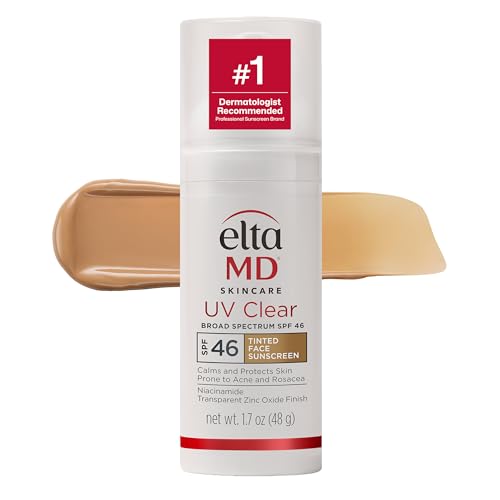

Disclosure: Some of the links on this page are affiliate links, which means I may earn a commission if you click through and make a purchase. This comes at no additional cost to you, and I only recommend products or services I genuinely believe in.
Topical Treatments: Ingredients to Look For
Dark spots resulting from sun damage can often be addressed with the appropriate topical treatments. Various ingredients have been proven effective in treating hyperpigmentation, and understanding their mechanisms can help women aged 35-50 incorporate them into their skincare routines effectively.
One of the most recognized ingredients for reducing dark spots is hydroquinone. This powerful bleaching agent works by inhibiting the enzyme tyrosinase, which is involved in melanin production. When applied consistently, hydroquinone can result in noticeable lightening of dark areas, though it’s advisable to use it under the guidance of a dermatologist to avoid potential side effects.
Another effective option is retinoids, which are derivatives of vitamin A. They promote cellular turnover, encourage the shedding of pigmented skin cells, and stimulate collagen production. Over time, retinoids help fade dark spots and improve overall skin texture. Incorporating retinoids into a nighttime routine can maximize their effectiveness while minimizing sun sensitivity.
Vitamin C is also a key ingredient in combating dark spots. As a potent antioxidant, it not only protects the skin from free radical damage caused by UV exposure but also inhibits melanin production. Regular use of vitamin C serums can enhance skin brightness and provide a more uniform complexion, making it an essential addition to any skincare regimen.
Lastly, niacinamide, or vitamin B3, has gained considerable attention for its ability to brighten the skin and reduce the appearance of dark spots. It works by decreasing the transfer of melanin to skin cells, ultimately leading to a more even skin tone. This ingredient is particularly beneficial for sensitive skin types, as it provides additional anti-inflammatory effects.
To achieve optimal results, it is crucial to apply these ingredients consistently and in conjunction with a broad-spectrum sunscreen. Incorporating these effective topical treatments into a daily skincare routine can significantly help in treating and preventing further dark spots from sun damage.
Professional treatments for dark spots caused by sun damage can significantly improve the appearance of the skin, especially for women aged 35-50 who may be more prone to pigmentation issues. These treatments include chemical peels, laser therapy, and microdermabrasion, each offering unique benefits and addressing specific skin concerns.
Chemical peels involve the application of a chemical solution to exfoliate the top layers of the skin. This treatment helps to remove dead skin cells and promotes new cell growth, resulting in a more even skin tone. There are various types of chemical peels, including superficial, medium, and deep peels, varying in intensity and recovery time. Although effective, potential side effects may include redness, peeling, and sensitivity, typically resolving within a few days to weeks depending on the peel’s depth.
Laser therapy, another advanced treatment modality, utilizes concentrated beams of light to target and break down pigmentation in the skin. Various laser types, such as fractional lasers and non-ablative lasers, can treat dark spots with precision. While laser treatments can lead to dramatic improvements in skin tone, they may also come with risks, including temporary discoloration, swelling, and discomfort, which typically subside over time. Patients may require multiple sessions to achieve optimal results.
Microdermabrasion is a non-invasive procedure that mechanically exfoliates the skin, removing dead cells on the surface. This method helps to diminish the appearance of dark spots and sun damage through less aggressive means than chemical peels or lasers. Although generally considered safe, it may also lead to some transient redness and irritation. Recovery is usually swift, allowing individuals to resume normal activities shortly after treatment.
Consulting a dermatologist is advisable for individuals considering professional treatments. They can assess skin type, the extent of dark spots, and recommend the most suitable treatment plan tailored to personal needs.
Building a Comprehensive Skincare Routine
To effectively treat and prevent dark spots resulting from sun damage, it is crucial to establish a comprehensive skincare routine tailored to the specific needs of women aged 35-50. This routine should include a combination of protecting, treating, and nourishing the skin, ensuring optimal results and enhancing overall complexion.
The first step in this skincare regimen is cleansing. Utilize a gentle cleanser to remove makeup, dirt, and environmental pollutants without stripping the skin’s natural moisture. Following cleansing, applying a toner can help to balance the skin’s pH, making it more receptive to subsequent treatments.
Next, integrating products containing active ingredients is essential for treating dark spots. Look for formulations containing antioxidants such as Vitamin C, which can brighten the skin and improve texture. Additionally, alpha hydroxy acids (AHAs) or beta hydroxy acids (BHAs) can provide gentle exfoliation, aiding in the removal of dead skin cells and promoting cellular turnover. Incorporating these treatments into your regimen can lead to significant improvements over time.
*****Caution****** Any acid applied to the skin can be very drying. Be sure to generously moisturize your face.
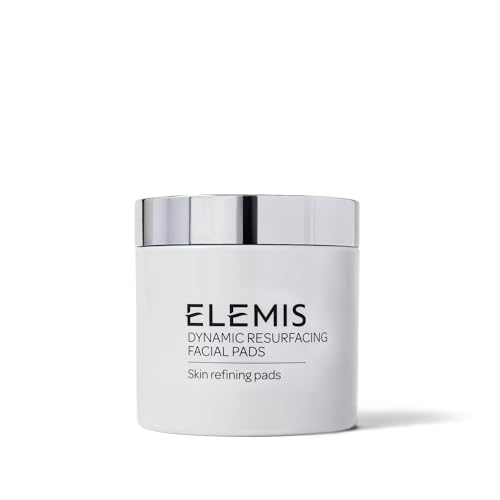
- DUAL-ACTION GENTLE RESURFACING: These pads use a textured surface, Tri-Enzyme Technology, and gentle AHA to physically a…
- BRIGHTENING: 97% agreed they helped reduce the appearance of uneven skin tone, darks spots and age spots.**Independent C…
- VISIBLE RESULTS: Within 4 weeks, results show a significant improvement in skin smoothness and a reduction in the appear…
Disclosure: Some of the links on this page are affiliate links, which means I may earn a commission if you click through and make a purchase. This comes at no additional cost to you, and I only recommend products or services I genuinely believe in.
Moreover, a targeted spot treatment containing hydroquinone, retinol, or niacinamide can effectively diminish the appearance of dark spots. These ingredients work by inhibiting melanin production and encouraging skin cell renewal. It is advisable to use these products at night, as they can increase susceptibility to sunlight.
Finally, no skincare routine aimed at treating sun damage is complete without daily sun protection. Apply a broad-spectrum sunscreen with an SPF of 30 or higher, even on cloudy days, to prevent further pigmentation and protect against UVA and UVB rays. Reapply throughout the day when exposed to sunlight. This layered approach of cleansing, treating, and protecting will create a fortified barrier against dark spots and sustain skin health over the years.
Lifestyle Choices: Diet and Hydration for Skin Health
A well-balanced diet and proper hydration play vital roles in maintaining skin health, particularly for women aged 35-50 who may experience dark spots due to sun damage. Incorporating a variety of nutrient-rich foods can significantly enhance skin repair and overall appearance. Foods that are high in antioxidants, like berries, dark leafy greens, and nuts, can combat oxidative stress, which contributes to skin aging and dark spot formation.
Additionally, vitamins A, C, and E are crucial for skin health. Vitamin C, found in citrus fruits, strawberries, and bell peppers, helps in collagen production and skin repair, while vitamin A, abundant in carrots, sweet potatoes, and spinach, promotes cell turnover and can help reduce pigmentation. Vitamin E, present in almonds, sunflower seeds, and avocados, acts as a powerful antioxidant that protects skin cells from damage.
Consider incorporating foods rich in omega-3 fatty acids, such as fatty fish, flaxseeds, and walnuts. These fats help maintain skin’s elasticity and hydration levels, which are essential for a healthy complexion. Additionally, incorporating whole grains and lean proteins can support tissue repair and promote a radiant skin tone.
Hydration is another critical aspect of skin health. Drinking sufficient amounts of water daily aids in flushing out toxins and promoting circulation, which in turn helps nourish the skin from within. Aim to consume at least eight glasses of water a day, and consider including hydrating foods such as cucumbers, tomatoes, and oranges in the diet.
Ultimately, a comprehensive approach combining a nutrient-dense diet and proper hydration can lead to improved skin health, potentially reducing the appearance of dark spots caused by sun damage and promoting overall vitality. Small, consistent changes to one’s lifestyle choices can yield significant benefits for skin health over time.