
Understanding the Glass Skin Trend
The glass skin trend, originating from South Korea, is characterized by a luminous, translucent complexion that exudes a healthy appearance. This look is often described as resembling glass—smooth, reflective, and visibly hydrated. Achieving glass skin entails a meticulous skincare routine that prioritizes hydration, exfoliation, and the layering of lightweight products designed to enhance skin’s natural glow. The trend emphasizes a dewy finish, with skin texture appearing plump and supple, and serves as an aspirational standard for many seeking vibrant, youthful skin.
In many cultures, particularly within the realm of East Asian beauty standards, the appearance of healthy skin is not merely a cosmetic goal but is also deeply tied to concepts of vitality and well-being. The glass skin look symbolizes purity and perfection, signifying a dedication to skincare and self-care practices that transcend traditional beauty ideals. This movement is also a reflection of the growing importance of holistic approaches to beauty, where skin health is regarded as an integral aspect of overall well-being.
Historically, the glass skin trend has evolved in tandem with advances in skincare technology and the widespread sharing of beauty practices through social media platforms. The South Korean beauty industry has been at the forefront of this evolution, leading the way with innovative formulations that include hydrating essences and serums promoting glowing skin. Over time, the glass skin trend has gained international recognition, influencing global beauty standards and inspiring individuals worldwide to adopt rigorous skincare routines focused on achieving the coveted glistening, luminous complexion.
Key Ingredients for Glass Skin
Achieving the coveted glass skin look relies heavily on incorporating the right skincare ingredients into your routine. One of the most beneficial components is hyaluronic acid. Renowned for its ability to retain moisture, hyaluronic acid can hold up to 1000 times its weight in water, providing intense hydration to the skin. This ingredient helps plump the skin, reducing the appearance of fine lines and creating the smooth, radiant texture characteristic of glass skin. It is often found in serums and moisturizers, making it easy to integrate into your daily regimen.
Another essential ingredient is niacinamide, a form of vitamin B3 that offers multiple benefits. Known for its skin-brightening properties, niacinamide helps even out skin tone by reducing hyperpigmentation and enhancing the skin’s barrier function. With regular use, this ingredient can improve skin texture and reduce inflammation, contributing to a more luminous complexion. Look for products containing at least 5% niacinamide to achieve noticeable results.
Vitamin C is also pivotal in achieving glass skin due to its powerful antioxidant properties. This vitamin helps to counteract free radicals, brightening the skin and promoting an even skin tone. By stimulating collagen production, vitamin C also aids in skin firmness, providing that youthful glow. Apply a vitamin C serum in the morning for the best protective and brightening effects.
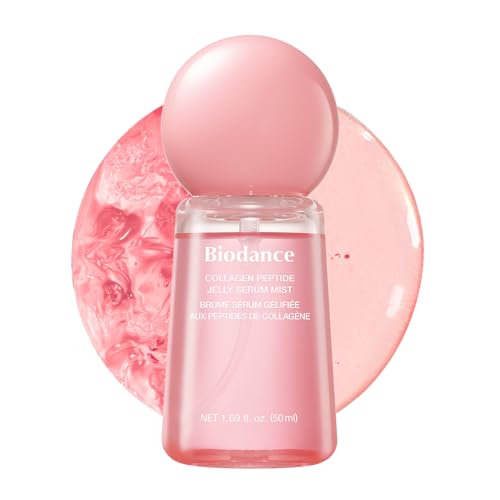
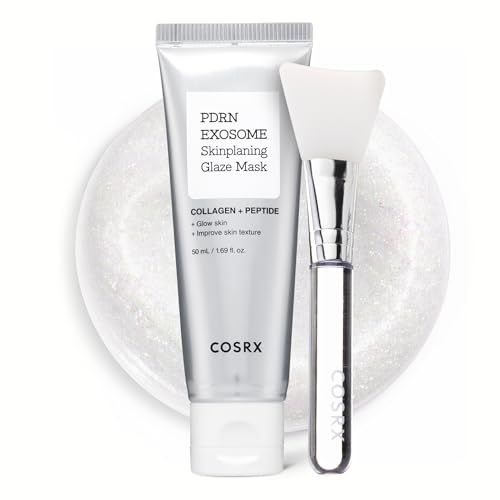
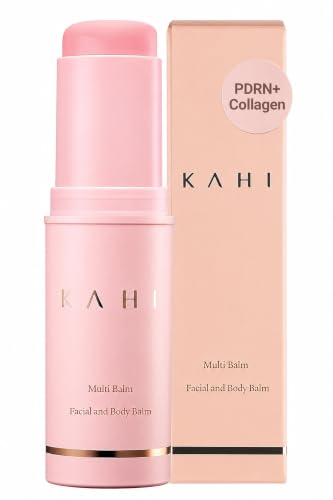
Lastly, peptides are key players in skin health and rejuvenation. These small chains of amino acids help to stimulate collagen and elastin production, which enhances skin elasticity and smoothness. Incorporating peptide-rich products can offer an anti-aging benefit, making the skin appear healthier and more radiant.
When selecting skincare products containing these ingredients, it is vital to opt for high-quality formulations to maximize their efficacy. Begin by introducing one or two of these ingredients into your routine, and gradually build up to avoid overwhelming your skin.



Building Your Glass Skin Routine
Achieving the coveted glass skin look requires a strategic skincare routine tailored to your unique skin type. The foundation of this regimen is found within the morning and evening rituals that promote hydration, luminosity, and a healthy barrier.
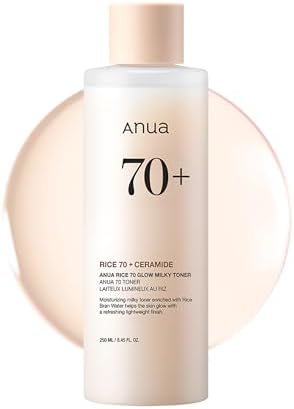
In the morning, start with a gentle, hydrating cleanser to remove any impurities accumulated overnight. Follow this with a toner that suits your skin type, aiming for one that is rich in humectants. This step helps to prep the skin and allows for better absorption of subsequent products, a crucial factor in building a glass skin effect.
Next, consider incorporating a lightweight serum packed with ingredients such as hyaluronic acid or niacinamide. These powerful agents not only provide hydration but also improve skin texture and evenness. After the serum, layer on a suitable moisturizer that locks in hydration without feeling greasy. Look for gel-based formulations if you have oily skin, and creamier options for drier skin types. Lastly, do not skip sunscreen; an SPF of at least 30 is critical to protect the skin from UV damage.
In the evening, repeat the cleansing and toning steps, but consider using a more intensive serum that targets specific concerns such as dark spots or fine lines. Ingredients like retinol or vitamin C can be beneficial here. Follow this with a rich moisturizer that nourishes your skin overnight, ensuring to apply it while your skin remains slightly damp for better absorption.
As you cultivate this routine, avoid common pitfalls such as applying too many products at once or neglecting sunscreen. It can be tempting to layer multiple serums; however, simplicity often yields the best results. Consistency is key in achieving the radiant and smooth glass skin aesthetic you desire.
Maintaining Glass Skin: Tips and Lifestyle Factors
Achieving and maintaining the coveted glass skin look requires more than just a carefully curated skincare routine. It is essential to consider various lifestyle factors that contribute to the overall health and appearance of the skin. Hydration plays a pivotal role in achieving and sustaining that dewy, luminous look; hence, drinking sufficient water throughout the day is crucial. Proper hydration helps the skin remain plump and radiant, allowing for the smooth and reflective surface characteristic of glass skin.
Nutrition is another key component for maintaining glass skin. Your diet should be rich in antioxidants, vitamins, and healthy fats. Foods such as berries, leafy greens, fatty fish, and nuts can aid in boosting skin health. These nutrient-dense foods can help combat free radicals, reduce inflammation, and promote collagen production. Incorporating a variety of colors on your plate not only enhances nutritional value but also supports a vibrant complexion.
Sleep cannot be overlooked when discussing strategies to maintain healthy skin. The body’s repair mechanisms are heightened during sleep, which facilitates cellular turnover and repair. Aim for 7-9 hours of quality sleep each night to allow your skin to rejuvenate. Stress management practices, such as mindfulness and exercise, are equally vital, as elevated stress levels can lead to skin issues like acne and dullness.
Seasonal adjustments to your skincare routine are essential for keeping skin radiant. In colder months, for instance, you may need to switch to a heavier moisturizer or incorporate barrier repair creams to combat dryness. Conversely, in warmer months, lighter formulations that provide hydration without clogging pores are advisable. The key to achieving lasting glass skin involves a combination of inner health and consistent outer care. By establishing and adhering to these habits, you can enjoy a luminous complexion year-round.
Disclosure: Some of the links on this page are affiliate links, which means I may earn a commission if you click through and make a purchase. This comes at no additional cost to you, and I only recommend products or services I genuinely believe in.