Understanding Aging
The aging process is a natural phenomenon. Our bodies undergo a series of biological changes that impact various aspects of our physical appearance, most significantly the skin. One of the most visible outcomes of aging is the gradual loss of skin elasticity. As we age, our skin begins to lose its ability to stretch and bounce back, resulting in the development of fine lines, wrinkles, and sagging skin.
Concurrently, this period marks a decline in collagen production. Collagen is a essential protein responsible for maintaining the skin’s structure, firmness, and moisture levels. With reduced collagen and elastic fiber levels, the skin can appear thinner, drier, and less resilient. This decrease can also contribute to common skin concerns such as drooping eyelids, hollow cheeks, and deepening nasolabial folds. These transformations can lead to changes in self-perception and necessitate a reevaluation of personal skincare regimens.
In light of these changes, individuals often find themselves debating between two primary options: investing in Botox treatments or enhancing their skincare methods. Botox injections are known for their ability to temporarily reduce the appearance of wrinkles by relaxing the muscles beneath the skin, which can yield a relatively quick and satisfying aesthetic result. On the other hand, skincare enhancements may involve a holistic approach, focusing on products and routines that promote skin health over time.
What is Botox?
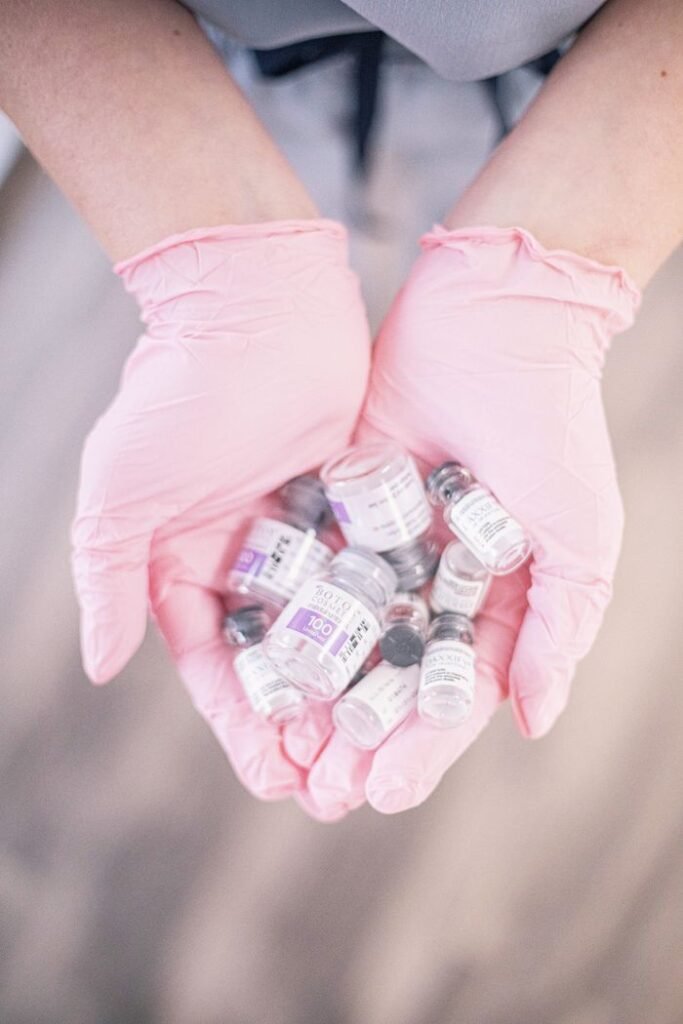
Botox, short for Botulinum toxin, is a neurotoxic protein produced by the bacterium Clostridium botulinum. Botox works by temporarily paralyzing muscles by blocking the release of the neurotransmitter acetylcholine, which leads to smoother skin and a reduction in the appearance of wrinkles and fine lines.
In terms of its composition, Botox is derived from the bacteria found in contaminated food. Although the toxin is associated with food poisoning, in controlled doses, it has proven safe for cosmetic applications. The aesthetic results typically aimed for include smoothing crow’s feet, frown lines, and forehead creases. These areas are particularly responsive to Botox due to their reliance on facial muscle movement.
The popularity of Botox has surged in recent years, making it one of the most sought-after cosmetic procedures globally. Patients are drawn to its ability to yield noticeable results with minimal downtime and invasiveness compared to surgical options. Administered through a series of precise injections, the procedure usually lasts between 10 to 30 minutes, depending on the treatment area and the number of injections required.
Results from Botox treatments generally manifest within a few days and can last anywhere from three to six months, after which muscle activity gradually returns, sometimes leading to the re-emergence of wrinkles. Due to these factors, many individuals opt for regular maintenance sessions to prolong their aesthetic benefits. Furthermore, Botox has gained a reputation not only for its effectiveness but also for its relative safety when performed by qualified professionals, adding to its allure as an anti-aging solution.
The Science of Skincare: What to Know
Established skincare routine plays a pivotal role in addressing age related skin concerns. Key ingredients such as retinoids, antioxidants, and hydrating agents provide notable benefits in this regard.
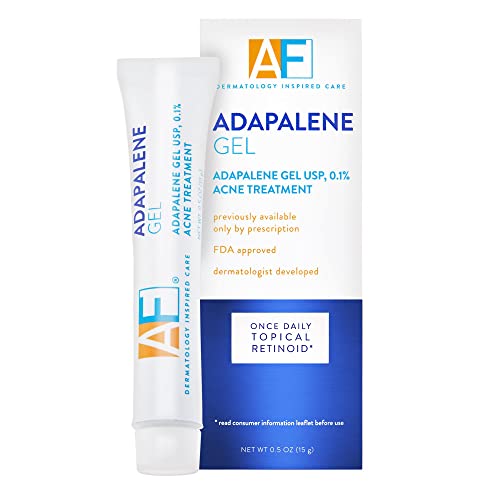
Retinoids, derived from vitamin A, are essential in promoting cellular turnover and enhancing skin texture. These compounds facilitate a gradual exfoliation process, minimizing the appearance of fine lines and wrinkles. Furthermore, retinoids stimulate collagen production, a crucial factor in preserving skin elasticity. Regular use of retinoids can result in visibly smoother skin, making them a cornerstone of an effective anti-aging skincare regimen.
In addition to retinoids, antioxidants play a critical role in protecting the skin from free radical damage caused by environmental aggressors such as UV rays, pollution, and stress. Ingredients like vitamin C, vitamin E, and green tea extract are recognized for their ability to neutralize harmful free radicals, thereby reducing oxidative stress. Incorporating these antioxidants into a daily skincare routine can enhance skin brightness and promote an even complexion.
Furthermore, hydration is a key aspect of maintaining youthful skin. Moisturizers enriched with hyaluronic acid, glycerin, and ceramides help to retain moisture in the skin barrier, preventing dryness and boosting skin plumpness. Adequate hydration not only improves the overall texture of the skin but also ensures a more radiant appearance. In light of these points, a multifaceted approach that combines retinoids, antioxidants, and hydration can significantly contribute to skin health and visual youthfulness.


Benefits of Botox for Aging Skin
Botox, a popular cosmetic treatment, has gained significant attention as a solution for addressing the visible signs of aging skin, particularly for individuals over the age of 35. The primary benefit of Botox lies in its ability to temporarily relax the muscles that cause dynamic wrinkles, helping to smooth out fine lines and creases, especially around the forehead, eyes, and mouth. Dermatologists often recommend Botox for its immediacy in results, with many patients noticing a difference within a few days of the treatment.
According to Dr. Jane Smith, a board-certified dermatologist, “Botox is particularly effective for treating frown lines and crow’s feet. Its precise application allows for a natural look, reducing the risk of over-correction which can lead to the face appearing frozen.” This aspect of Botox is highly valued by patients who are concerned about maintaining their natural expressions while still achieving a youthful appearance.
In addition to reducing wrinkles, Botox can also prevent new lines from forming. Regular treatments may help in maintaining smoother skin by inhibiting the muscle movements that lead to the development of creases. A study published in the Journal of Clinical Cosmetic and Investigational Dermatology highlights that patients who receive routine Botox treatments report increased satisfaction with their skin’s appearance, reinforcing the notion that proactive measures against aging can yield long-term benefits.
Patient testimonials further emphasize the positive impact of Botox on aging skin. One satisfied client noted, “After my Botox treatment, I felt more confident in my skin. The fine lines that made me look tired are gone, and I can smile without worrying about wrinkles.” These personal accounts illustrate the transformative effect Botox can have on an individual’s self-esteem and overall aesthetic goals.
In conclusion, Botox offers significant advantages for individuals over 35 seeking to combat the signs of aging. With professional guidance and regular maintenance treatments, it can effectively reduce the appearance of wrinkles and enhance self-confidence in one’s skin.
Advantages of a Consistent Skincare Routine
As one ages, maintaining a consistent skincare routine becomes increasingly important for overall skin health and the prevention of visible signs of aging. Regularly investing time and effort into a comprehensive regimen can provide numerous benefits that significantly enhance the skin’s appearance and texture.
A primary advantage of a consistent skincare routine is its potential to delay the onset of age-related skin issues. With appropriate products tailored to one’s skin type and specific concerns, individuals can effectively combat dryness, fine lines, and uneven skin tone. Elements such as moisturizers, sunscreens, and antioxidants play a crucial role in safeguarding against environmental damage and cellular deterioration, which are pivotal in maintaining youthful skin.
Moreover, a thorough skincare routine can improve overall skin health. By establishing habits such as daily cleansing and exfoliating, one can promote cell turnover and ensure that skin remains vibrant and fresh. Regular application of serums and treatments that include essential ingredients, like hyaluronic acid or retinoids, can further enhance skin texture, elasticity, and firmness. This proactive approach often results in a more radiant complexion and reinforces the skin’s resilience against aging.
In addition, a skincare regimen provides an opportunity for personal mindfulness and self-care. Allocating time to tend to one’s skin not only fosters physical health but also contributes positively to mental well-being. The ritual of applying facial products can induce a sense of relaxation and empowerment, thus enhancing one’s overall quality of life.
Ultimately, while cosmetic treatments such as Botox can offer immediate results, the long-term benefits of a dedicated skincare routine remain unparalleled. By focusing on maintaining skin health through consistent care, one can achieve a timeless beauty that transcends age.
Personalizing Your Approach: Factors to Consider
When deciding between Botox and skincare treatments, it is essential to consider various personal factors that can significantly influence the effectiveness and suitability of each option. The nature of an individual’s skin type plays a critical role in determining the best approach. For instance, those with sensitive or reactive skin may benefit more from topical skincare products that cater to their unique skin needs, rather than opting for injectables like Botox, which could provoke adverse reactions.
Lifestyle factors also need to be evaluated. An active lifestyle, including outdoor activities and sun exposure, can impact how one’s skin ages and responds to different treatments. Participants in such lifestyles may prioritize robust skincare regimens that include sunscreen and hydration to combat environmental damage. Alternatively, those seeking immediate results with minimal downtime might lean towards Botox, which can provide a quick facelift effect without extensive recovery.
Budget considerations are equally vital in the decision-making process. Botox treatments often entail a higher upfront cost and regular maintenance sessions to sustain results. In contrast, skincare products may require an ongoing investment but can offer a broader range of benefits over time, depending on the product’s efficacy. Prospective clients should assess their financial capacity to engage with either option sustainably.
Lastly, personal aesthetic goals should guide the approach taken. Some individuals may desire to maintain their natural appearance and prefer the gradual effects of skincare, while others might aim for more pronounced changes that Botox can provide. Understanding one’s objectives is crucial in making an informed choice that aligns with personal values and expected outcomes. By examining these factors, an individual can better personalize their approach to either Botox or skincare treatments.
Conclusion
It’s paramount for individuals to assess their personal needs, preferences, and skin conditions when deciding between these two avenues. The decision should not be taken lightly; thus, consulting with a qualified dermatologist or aesthetician can yield invaluable guidance tailored to one’s specific situation. Professionals can help evaluate skin types, discuss realistic outcomes, and suggest a personalized blend of Botox and skincare products if appropriate.
Ultimately, the choice between Botox and skincare is highly subjective. Individuals should reflect on their lifestyle, comfort with medical procedures, and specific aesthetic goals. Some may prioritize immediate results through Botox, while others may prefer a gradual improvement offered by skincare methods. By weighing these factors carefully and seeking professional insights, individuals can make an informed decision that aligns seamlessly with their journey of aging gracefully.