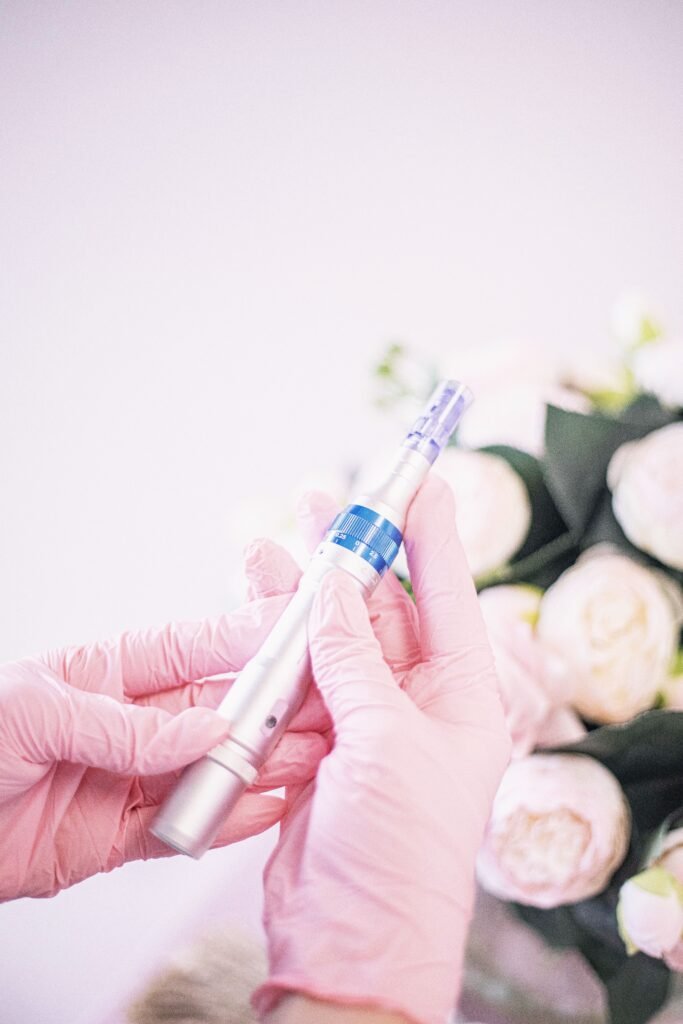
What is Microneedling?
Microneedling, also known as collagen induction therapy, is a minimally invasive aesthetic procedure designed to rejuvenate the skin. The process involves the use of a device fitted with fine needles to create micro-injuries in the skin’s surface. This controlled wounding stimulates the body’s natural healing response, promoting collagen and elastin production, which are essential proteins that maintain skin elasticity and firmness.
The microneedling procedure can be tailored to address various skin concerns, including fine lines, wrinkles, acne scars, enlarged pores, and overall skin texture improvement. The depth of needle penetration and the number of passes can be adjusted based on the specific needs of the patient and the area being treated. Because of its versatility, microneedling has gained popularity among skincare professionals and patients alike.
To ensure safety and efficacy, medical devices used for microneedling are typically regulated by health authorities and have undergone stringent testing. These devices may vary from medical-grade pen-like tools that allow for adjustable needle depths to single-use dermarollers for at-home use. The choice of the device can influence the results achieved, making it essential for individuals seeking treatment to consult experienced practitioners.
The science behind microneedling relies on the skin’s natural healing processes. Once the micro-injuries are created, the body initiates a cascade of healing activities, including inflammation, tissue formation, and remodeling. This results in increased collagen deposition, leading to improved skin texture and overall appearance over time. Many patients experience visible improvements after just one session, with results enhancing further after a series of treatments.
Potential Benefits of Microneedling
Microneedling, a minimally invasive cosmetic procedure, has gained popularity due to its array of potential benefits for skin health and appearance. One of the primary advantages of microneedling is its ability to improve skin texture. The process utilizes fine needles to create micro-injuries within the dermis, which subsequently stimulates the body’s natural healing response. This healing process promotes collagen and elastin production, resulting in smoother, firmer skin over time.
Furthermore, microneedling has been shown to effectively reduce fine lines and wrinkles. Studies indicate that the increased collagen production helps to fill in fine lines, thus enhancing the overall youthful appearance of the skin. According to research published in the Journal of Clinical and Aesthetic Dermatology, patients reported significant improvements in skin laxity following several microneedling sessions. This treatment not only provides immediate results but also contributes to long-term skin rejuvenation.
Another significant benefit of microneedling is its ability to enhance the absorption of topical skincare products. The micro-channels created during the procedure allow for deeper penetration of serums and creams, improving their efficacy. As a result, nutrients and active ingredients in these products can reach the deeper layers of the skin, promoting more effective hydration and cellular repair. This increased absorption is particularly beneficial for patients using products containing hyaluronic acid or antioxidants, which can further improve skin health.
In conclusion, the potential benefits of microneedling are backed by scientific evidence, showcasing its effectiveness in improving skin texture, reducing fine lines, and enhancing the absorption of skincare products. By understanding these advantages, individuals considering this treatment can make informed decisions about their skincare journeys.
Possible Risks and Side Effects
Microneedling, a popular cosmetic procedure aimed at rejuvenating the skin, has gained attention for its potential benefits, yet it is crucial to understand the associated risks and side effects. One of the most common side effects observed post-procedure is redness, resembling sunburn, which typically subsides within a few hours to a couple of days. Swelling is another transient effect that may occur as the body initiates its natural healing process. Patients should be aware that these side effects are usually mild and temporary.
However, aside from the more common outcomes, there are rarer complications that individuals might experience. These can include excessive bleeding at the treatment site, infection, and allergic reactions to topical anesthetics used during the procedure. Additionally, some patients might find their skin becomes overly sensitive or textured in the days following microneedling.
Before undergoing microneedling, certain pre-procedure considerations are paramount. Individuals with pre-existing skin conditions, such as eczema, psoriasis, or severe acne, may not be ideal candidates for this treatment. Furthermore, those on specific medications, including blood thinners or retinoids, should disclose this information to their practitioner, as it may increase the risk of complications. Medical professionals typically conduct a thorough assessment and recommend a skincare regimen in advance to prepare the skin for treatment.
Ultimately, while microneedling can deliver substantial aesthetic benefits, practitioners and patients alike must remain vigilant regarding the possible risks and side effects associated with the procedure. Proper guidance and thorough communication with healthcare providers can significantly mitigate these risks, leading to safer outcomes and enhanced skin quality overall.
Preparing for the Procedure and Aftercare
Preparing for a microneedling session is essential to ensure optimal results and minimize potential side effects. In the days leading up to the procedure, it is advisable to avoid certain skincare products that may cause irritation. This includes retinoids, alpha hydroxy acids (AHAs), and beta hydroxy acids (BHAs) which could make your skin more sensitive. Ideally, cease using these products for at least a week prior to the appointment. Additionally, limit sun exposure and avoid tanning beds to prevent inflammation and sunburn, which may hinder the microneedling process.
Hydration also plays a crucial role in preparing the skin for microneedling. Drinking plenty of water in the days leading up to the procedure helps to ensure your skin is well-hydrated, making it more resilient during treatment. On the day of the appointment, arrive with a clean face, free from makeup and skincare products. A topical numbing cream will usually be applied, but the condition of your skin prior to treatment can impact its effectiveness.
Post-treatment care is equally important in achieving the best possible outcome. After microneedling, your skin may appear red and slightly swollen, similar to a mild sunburn. To support healing, it is advisable to avoid sun exposure for at least one week and apply sunscreen diligently when going outdoors. Beta-glucan and hyaluronic acid serums are recommended for aftercare, as they aid in hydration and soothing the skin.
Furthermore, refrain from strenuous exercise, saunas, and hot baths for a few days after the procedure; these activities can trigger inflammation and prolong the healing process. Avoid direct contact with the skin, including makeup application, for at least 24 hours post-treatment. Following these guidelines can significantly enhance the effectiveness of microneedling, contributing to a more youthful and rejuvenated appearance.