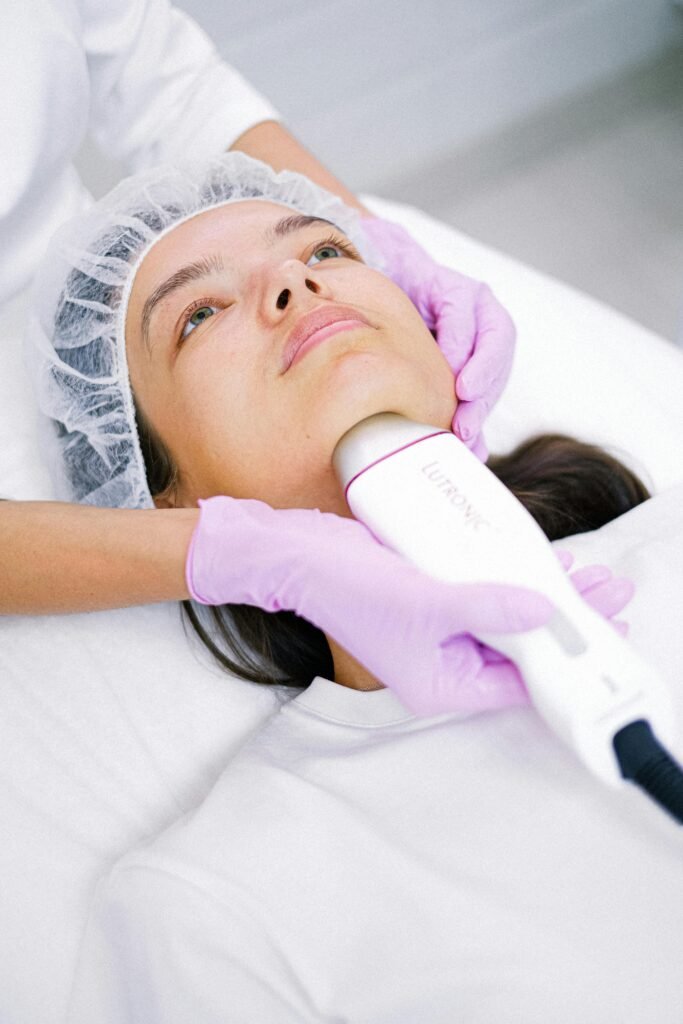
Understanding Skin Elasticity and Aging
Skin elasticity refers to the skin’s ability to stretch and snap back into place. This crucial property maintains the skin’s firmness and overall youthful appearance. At the core of skin elasticity are two essential proteins: collagen and elastin. Collagen provides structural support, giving the skin strength, while elastin allows the skin to retain its shape and fold back into its original position after stretching. Unfortunately, as women age, particularly between the ages of 35 and 50, the production of these vital proteins diminishes significantly.
Collagen production begins to decrease around the age of 25, with a substantial decline noted as one approaches their forties. Similarly, elastin becomes less effective over time, resulting in visible signs of aging such as fine lines, wrinkles, and sagging skin. Women aged 35 to 50 may find themselves more susceptible to these changes due to various factors including hormonal shifts, lifestyle choices, and environmental influences. For example, decreased estrogen levels during perimenopause can lead to a reduction in both collagen and elastin synthesis, exacerbating skin laxity.
The signs of aging may manifest differently among women. While some may notice minor changes, others may exhibit more advanced symptoms of skin aging. Factors such as genetics, sun exposure, smoking, and skincare habits can contribute to the variance. A woman with a history of excessive sun exposure, for instance, may experience accelerated skin aging compared to her peers who practice diligent sun protection. Understanding these underlying factors is essential for addressing skin elasticity effectively.
Common Causes of Loss of Skin Elasticity
The loss of skin elasticity is a natural part of the aging process, but it is exacerbated by various environmental and lifestyle factors. One of the primary contributors to decreased skin firmness is sun exposure. Ultraviolet (UV) radiation damages collagen and elastin fibers, essential proteins that provide structure and elasticity to the skin. Chronic sun exposure can lead to premature aging, characterized by wrinkling and sagging.
Another significant factor in the decline of skin elasticity is smoking. The toxic substances in tobacco smoke can lead to reduced blood flow, which diminishes the delivery of oxygen and essential nutrients to skin cells. Additionally, smoking reduces the production of collagen, further compromising the skin’s supportive framework.
Poor nutrition plays a crucial role in maintaining skin health. A diet lacking in essential vitamins and minerals, particularly antioxidants like vitamins A, C, and E, can hinder the skin’s ability to repair itself. These nutrients are vital in neutralizing free radicals, which can cause oxidative stress and accelerate skin aging. Hydration is equally important; insufficient water intake can lead to dry and less elastic skin.
Hormonal changes, particularly those associated with menopause, can also significantly impact skin elasticity. The decrease in estrogen levels during this period can result in a reduction of collagen production and skin thickness. Furthermore, lifestyle choices such as stress and insufficient hydration can trigger the production of cortisol, a hormone that can lead to skin breakdown.
All of these factors work in tandem, creating an environment where skin elasticity deteriorates more rapidly. Understanding these common causes is crucial for women aged 35-50 who are seeking ways to maintain their skin’s tightness without resorting to surgical interventions.
Non-Surgical Treatments: An Overview
As women age, particularly between the ages of 35 to 50, maintaining skin elasticity and firmness becomes a key concern. Fortunately, there are a plethora of non-surgical treatment options available that cater to these needs. These methods are designed to tighten skin without the need for invasive surgical procedures, offering a variety of solutions tailored to individual skin types and concerns.
One of the most widely recognized options is topical treatments, which include creams and serums enriched with active ingredients such as retinoids, peptides, and hyaluronic acid. These formulations aim to improve skin texture, boost collagen production, and enhance hydration, contributing to a firmer appearance over time. Consistent use of high-quality topical products can be effective for those seeking gradual improvements.
Laser therapy is another prominent non-invasive approach for skin tightening. This technique employs focused light energy to stimulate the underlying layers of the skin, promoting collagen remodeling and skin rejuvenation. Specific types of laser treatments, such as fractional and ablative lasers, can target wrinkles and sagging, resulting in a smoother skin surface with minimal downtime.
Ultrasound therapy represents yet another innovative method in the realm of non-surgical skin tightening. Utilizing ultrasound energy, this procedure penetrates deep into the dermal layers, enhancing tissue tightening and lifting. By stimulating collagen production, ultrasound therapy can provide noticeable results without the invasiveness associated with surgical options.
Additionally, there are other minimally invasive treatments such as RF (radiofrequency) therapy and PDO (polydioxanone) threads. RF therapy uses radiofrequency energy to promote collagen synthesis and firm the skin, while PDO threads can be inserted to provide immediate lift and gradual tightening. Each of these non-surgical treatments offers unique advantages and can be considered based on individual needs and desired outcomes.
Topical Treatments for Firmness
As women age, particularly between the ages of 35 and 50, the quest for tighter, more youthful skin often becomes a primary focus. Among the myriad of options available, topical treatments stand out as convenient and effective methods for enhancing skin firmness without the need for surgical intervention. These treatments generally come in the form of creams and serums that can easily be integrated into a daily skincare regimen.
One of the most beneficial ingredients to look for in these products is retinoids. Well-known for their ability to accelerate cell turnover, retinoids help enhance collagen production, leading to visibly firmer skin over time. Additionally, peptides are gaining popularity as a potent ingredient in skin tightening products. They work by stimulating collagen and elastin synthesis, contributing to improved skin elasticity.
Another key player in the realm of skincare is hyaluronic acid, celebrated for its powerful hydrating properties. It has the ability to hold moisture in the skin, thereby plumping and smoothing the surface and resulting in a tighter appearance. Furthermore, the incorporation of antioxidants, such as vitamins C and E, can help combat free radicals and support skin repair, facilitating a fresher complexion and tightening effects.
In order to achieve optimal results, it is essential to apply these topical treatments consistently. Ideally, begin your routine with a gentle cleanser, followed by a toner, then layer on the serums containing retinoids or peptides. Finish with a hydrating moisturizer that includes hyaluronic acid and antioxidants. This method not only delivers key ingredients effectively but also enhances overall skin health.
By thoughtfully selecting the right topical treatments and integrating them into a daily skincare regimen, women can achieve noticeable improvements in skin tone and firmness, offering a non-invasive solution to aging skin concerns.
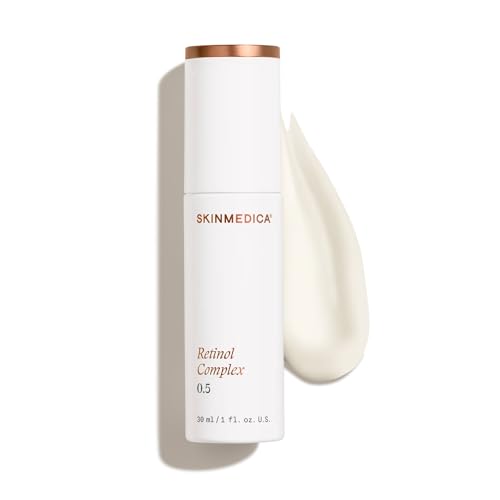

Laser Therapy: Types and Benefits
Laser therapy has emerged as a popular non-surgical treatment for women aged 35-50 seeking to tighten skin and reduce the visible signs of aging. This innovative approach to skin rejuvenation utilizes concentrated light energy to improve skin firmness through collagen remodeling. There are two primary types of laser therapies: ablative and non-ablative, each with distinct mechanisms and results.
Ablative lasers, such as carbon dioxide (CO2) and erbium lasers, work by removing the outer layers of skin, promoting significant skin tightening and rejuvenation. This treatment is particularly effective for women with deeper wrinkles and significant skin laxity. The process stimulates the body’s natural healing response, leading to the production of new collagen fibers. Subsequently, patients can achieve smoother, firmer skin post-treatment. Recovery time varies; typically, patients may experience redness and swelling for a few weeks, but the long-lasting results can be well worth the wait.
On the other hand, non-ablative lasers, like Nd:YAG and pulsed dye lasers, penetrate the skin without causing significant damage to the surface. These lasers stimulate collagen production and enhance overall skin texture with minimal downtime, making them an attractive option for those who prefer a gentler approach. Non-ablative treatments are generally less invasive, and the recovery time is dramatically reduced, allowing patients to return to their daily routines quickly.
Both types of laser therapy boast impressive safety profiles, and potential side effects are typically mild and temporary. Upon completion of any laser treatment, patients usually notice an immediate improvement, with continued enhancements visible over the following weeks as collagen continues to rebuild. In summary, laser therapy provides multiple benefits for skin tightening, making it a viable choice for women seeking non-surgical solutions to maintain youthful, firm skin.
Ultrasound Treatments: How They Work
Ultrasound treatments are increasingly popular non-surgical options for skin tightening, particularly among women aged 35 to 50. This method harnesses the power of focused ultrasound energy to penetrate deep into the skin, specifically targeting the dermis and subcutaneous layers. By delivering controlled heat to these deeper layers, ultrasound stimulates the production of collagen, a crucial protein in maintaining skin elasticity and firmness.
The process begins with the application of a gel to the treatment area, followed by the use of a specialized ultrasound device that emits energy waves. These sound waves create micro-injuries in the tissue, which may seem counterintuitive but are essential for the skin’s natural healing response. As the body repairs itself, collagen is regenerated, leading to visibly firmer and tighter skin over time. Unlike invasive procedures, ultrasound treatments generally require minimal downtime, making them an attractive option for busy individuals.
One of the most well-known technologies in this field is Ultherapy. This FDA-approved treatment uses ultrasound imaging to visualize layers of skin, ensuring precise targeting of the areas needing improvement. Patients typically experience a gradual lifting effect, with results continuing to improve for several months post-treatment as the collagen matures. Many individuals begin to notice a significant improvement in skin texture and tightness within a few weeks, which can last up to a year or more with proper skincare maintenance.
In addition to Ultherapy, there are various other ultrasound-based treatments available, each offering unique benefits. These methods can be tailored to suit different skin concerns, making it essential for potential patients to consult with qualified specialists who can recommend the best options based on individual needs. Ultimately, ultrasound treatments represent a highly effective, non-invasive approach to achieving tighter skin without the need for surgery.
Lifestyle Changes to Support Skin Health
As women age, particularly between the ages of 35 and 50, the need for maintaining skin elasticity becomes paramount. While various non-surgical treatments exist, adopting lifestyle changes can serve as a robust foundation for enhancing skin health naturally. Hydration plays a crucial role; drinking adequate water daily not only helps maintain skin moisture but also enhances its overall appearance. Aim for at least eight glasses a day, adjusting higher if engaged in strenuous activities.
An essential component for skin vitality is nutrition. Consuming foods rich in vitamins C and E, such as citrus fruits, nuts, and avocados, can contribute to the promotion of collagen production, a key protein that maintains skin structure. Omega-3 fatty acids, found in fatty fish like salmon and seeds such as chia and flax, can also improve skin elasticity. Furthermore, incorporating antioxidants through colorful fruits and vegetables can combat free radical damage, essential for aging skin.
Regular physical activity benefits not just overall health but also skin health. Exercise promotes circulation, delivering essential nutrients to the skin while flushing out toxins. Strive for at least 150 minutes of moderate aerobic exercise weekly, combined with strength training on two or more days.
Equally important is prioritizing quality sleep. Skin undergoes its primary repair processes during restorative sleep periods; lack of it can lead to the emergence of wrinkles and dullness. Aim for seven to nine hours per night. Managing stress effectively is also crucial, as chronic stress can adversely affect skin health. Techniques such as mindfulness, yoga, or regular relaxation exercises can make a significant difference in reducing stress levels, subsequently benefiting skin elasticity.
Incorporating these holistic strategies into daily routines can significantly complement non-surgical treatments aimed at tightening skin, fostering a more youthful appearance.
Professional vs. At-Home Treatments
When it comes to tightening skin without surgery, women aged 35 to 50 have a variety of options to choose from, including professional treatments and at-home remedies. Each approach has its unique advantages and disadvantages, which can help guide individuals in making an informed decision based on their specific needs and circumstances.
Professional treatments often encompass a range of non-invasive procedures such as laser therapy, chemical peels, and radiofrequency treatments. These methods are typically performed by licensed practitioners and can provide noticeable results relatively quickly. One major advantage of professional services is their ability to customize the treatment based on the patient’s skin type and condition. Additionally, these treatments usually employ advanced technology and techniques that may not be available in at-home versions, resulting in a higher likelihood of success and effectiveness.
However, the costs associated with professional treatments can be prohibitive for some individuals. Furthermore, there might be potential side effects or recovery times that need consideration. Safety is paramount, requiring patients to select qualified professionals with a proven track record to mitigate any risks involved in cosmetic procedures.
On the other hand, at-home treatments include topical creams, serums, and natural remedies that target skin tightening. These options tend to be more accessible and affordable, which makes them appealing for many women. While at-home solutions can be effective for mild skin laxity, they generally take longer to produce visible results and may not be suitable for more significant skin concerns.
In conclusion, the choice between professional and at-home treatments for skin tightening should be made after careful consideration of factors such as effectiveness, safety, budget, and individual skin needs. Emphasizing a balanced approach can help women achieve their desired results without compromising their skin health or financial well-being.
Conclusion and Final Thoughts
As we navigate the complexities of aging skin, it becomes increasingly clear that understanding skin elasticity is crucial for women aged 35-50. Over the years, our skin undergoes significant changes, leading to potential concerns such as sagging, wrinkles, and loss of firmness. Fortunately, a range of non-surgical solutions exists to enhance the appearance of sagging skin effectively.
Throughout this blog, we have explored various methods to tighten skin without resorting to surgical procedures. These include advanced techniques such as radiofrequency treatments, ultrasound therapy, and laser treatments, which stimulate collagen production and improve skin texture. Additionally, topical solutions and lifestyle modifications, such as proper hydration, nutrition, and sun protection, play vital roles in maintaining skin vitality and elasticity.
It is essential for women in this demographic to consider their personal options carefully. Each individual’s skin responds differently to treatments, and factors such as skin type, overall health, and specific concerns must be taken into account. Consulting with a qualified skincare professional can provide tailored advice to ensure the best possible outcomes when exploring non-surgical skin tightening solutions.
In conclusion, while aging is a natural process that affects all individuals, understanding the available options can empower women to address their skin concerns effectively. By prioritizing skincare and exploring non-invasive treatments, it is possible to achieve a more youthful appearance and boost confidence. Embracing these strategies can pave the way for healthier, more resilient skin that continues to glow through the years.